Traveling With A Baby: The Complete Parent’s Guide
The first time I traveled with my oldest, she was just four months old, and we were heading to visit my in-laws, a six-hour drive away. I had researched, packed, repacked, and made three different packing lists. I still forgot the white noise machine, ran out of diapers at a gas station in the middle of nowhere, and spent forty minutes nursing her in a fast-food bathroom because I was too overwhelmed to figure out anything else. I thought I had prepared well. I had not.
Traveling with a baby is one of those experiences that no amount of reading can fully prepare you for, but being well-informed makes an enormous difference. This guide is everything I wish someone had handed me before that first trip, and everything I have learned across three kids and more family trips than I can count. You’ll find this guide if you are planning your baby’s first road trip, navigating your first flight with a lap infant, or trying to figure out how to sleep somewhere that is not your home.
Table of Contents
Before You Go: Plan A Trip with A Baby the Right Way
The single biggest mistake parents make when traveling with a baby is underplanning the logistics while overplanning the activities. Trust me, you do not need a packed itinerary. You simply need a solid plan for these FOUR basics:
- Sleep
- Feeding
- Diapering
- Safety
Everything else follows from there…
Choosing The Right Time To Travel
Age is more crucial than most parents realize when it comes to travel readiness. Newborns under six weeks are generally best kept close to home unless there is an urgent reason to travel.
According to the CDC, children can face the same travel health risks as adults, but the consequences may be more serious, so extra precautions are recommended when traveling with infants and young children.
Their immune systems are still developing, they feed constantly, and the disruption to any early feeding relationship, whether nursing or bottle feeding, can be significant.
The sweet spot that many parents find easiest for a first trip is somewhere between three and five months.
Babies at this age are typically past the most intense newborn phase, not yet crawling and getting into everything, and often still flexible enough to sleep in a variety of environments.
That said, it’s worth keeping in mind that every baby is different.
My second was the most adaptable traveler I have ever seen at three months old. My third needed to be home and in her own crib from about seven months onward, or the whole trip was a disaster.
Once your baby is mobile, travel gets more physically demanding. You will spend a lot of time chasing, containing, and baby-proofing unfamiliar spaces. It is still absolutely doable, but you go in with different expectations.
Timing Your Trip Around Sleep Schedules
If your baby is on any kind of nap schedule, build your travel days around it rather than against it. For a road trip, plan your longest driving stretches during nap time. For a flight, a departure time that overlaps with a natural sleep window can mean your baby sleeps through much of the journey.
Avoid traveling during the cranky window, which for most babies is late afternoon into early evening. I learned this the hard way on a delayed flight out of Nairobi with my second child at nine months old. We hit the tarmac right at his 5 p.m. fuss hour, and I have blocked most of that memory for self-preservation reasons.
Time Zone Considerations
For trips within one or two time zones, most babies adjust within a day or two with minimal intervention. For larger time zone changes, especially international travel, give yourself at least two to three days on arrival before you expect any kind of normal sleep rhythm.
You can read more here on how to adjust your baby to time travel changes.
Keep your baby’s environment as consistent as possible: same sleep sack, same white noise, same bedtime routine. The familiar sensory cues help their nervous system settle in a new place.
What To Pack When Traveling with A Baby (Without Overpacking)
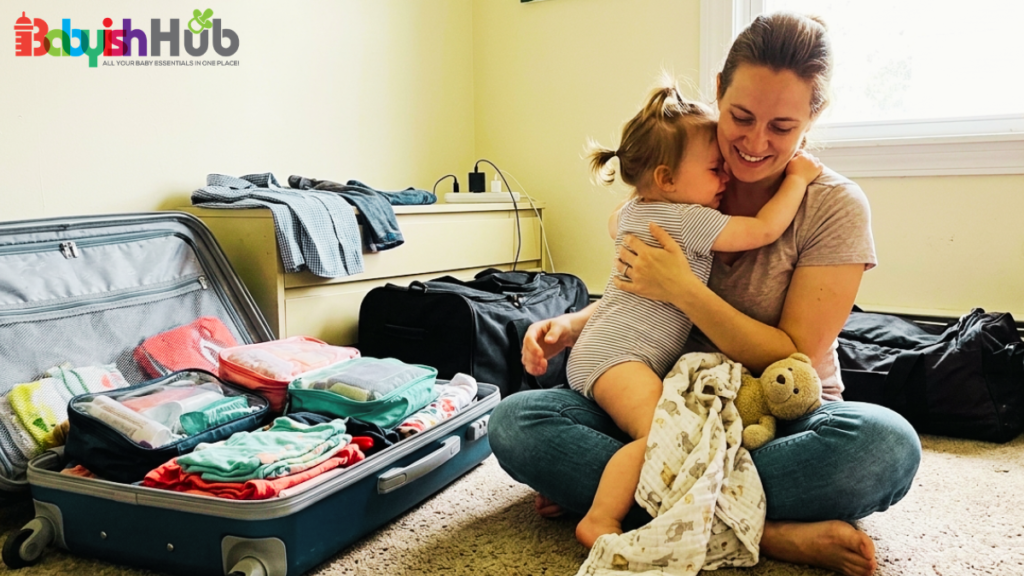
Packing for a baby feels impossible because the list of what you might need is genuinely long. The trick is distinguishing between what you will definitely need, what you might need, and what you are packing out of anxiety rather than practicality.
The Non-Negotiables:
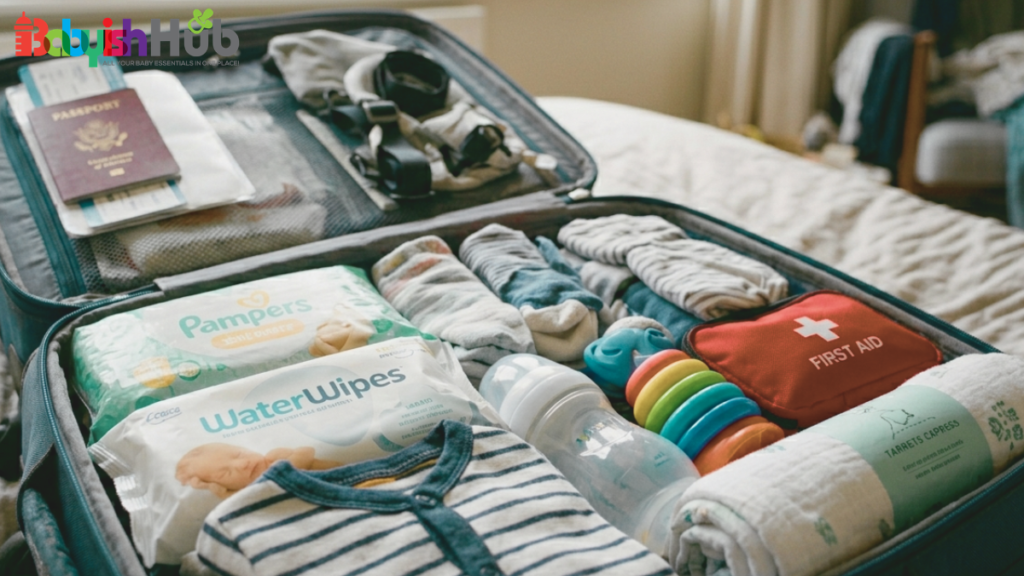
These are the baby travel essentials you should always pack first, no matter where you’re going:
#1. Diapers and Wipes (Pack More Than You Think)
Diapers and wipes go without saying, but pack more than you think you need.
My general rule of thumb is to add 30 to 50% more than your daily average. Delays happen. Blowouts happen.
Running out of diapers in an unfamiliar place is a special kind of stress you do not want.
Pack These:
- Diapers (extra supply)
- Baby wipes
- Disposable changing pads
- Diaper rash cream
- Plastic bags for dirty diapers or clothes
#2. Baby Sleep Essentials for Travel
Your baby’s sleep setup when travelling is worth thinking carefully about. Many parents travel with a pack-and-play or a travel bassinet for younger babies.
The SNOO is not travel-friendly, which catches a lot of parents off guard if they have relied on it heavily.
A portable, lightweight travel bassinet or a well-padded pack-and-play is usually the most practical solution.
Bring your baby’s sleep sack. Bring the white noise machine or download a white noise app you know works offline.
These things matter more than almost anything else when it comes to getting your baby to enjoy sleep on a trip.
Pack These:
- Travel crib or pack-and-play
- Portable bassinet
- Baby sleep sack
- Favorite blanket (if age-appropriate)
- White noise machine
- Offline white noise app backup
#3. Feeding/Breastfeeding Travel Packing List
Feeding supplies depend entirely on how you are feeding your baby. Nursing parents need nursing covers if they use them, nipple cream, and breast pads.
Pack These:
- Nursing cover (if you use one)
- Nipple cream
- Breast pads
- Burp cloths
- Water bottle for hydration
If you are pumping, pack your pump, all its parts, a car adapter if you are road tripping, and a cooler bag for storage.
Pack These:
- Breast pump
- Pump parts and valves
- Charging cable or batteries
- Car adapter for road trips
- Cooler bag
- Milk storage bags or bottles
- Cleaning wipes or soap for parts
Pro Tip: Always bring spare pump parts if possible.
Formula-feeding parents need to think about how they will measure and prepare formula away from home.
Pre-measured formula dispensers are genuinely useful here. Bring more formula than you think you need.
Pack These:
- Formula powder
- Pre-measured formula dispensers
- Bottles
- Bottle brush
- Sterilizing bags or cleaning supplies
- Safe water source
- Extra formula beyond expected needs
Bringing more formula than you think you’ll need is usually the safest move.
Solid foods parents need to think about whether their destination will have suitable food options or whether they need to pack purees, pouches, and snacks.
Pack These:
- Purees
- Food pouches
- Easy snacks
- Baby spoon
- Bibs
- Spill-proof snack container
Gear Worth Bringing:
While these extra baby travel items are not always essential, they can make your trip dramatically easier, smoother, and more comfortable.
#1. Bring A Baby Carrier for Hands-Free Travel
A good baby carrier is one of the most travel-friendly pieces of baby gear you can own. It keeps your hands free in airports, on uneven terrain, and in places where strollers are impractical, such as:
- Uneven sidewalks
- Beaches
- Hiking paths
- Busy markets
- Public transport
Whether you prefer a structured carrier or a wrap depends on your baby’s age and your personal preference, but having one on a trip is almost always worth it.
#2. Choose A Lightweight Travel Stroller
A lightweight stroller is useful for most travel scenarios. You’ll find the stroller highly helpful for:
- Easier airport navigation
- Quick folding at gates
- Less luggage stress
- Better for city walking
If you are flying with a stroller, look up your airline’s policy on gate-checking strollers.
Most airlines allow it at no cost, and a compact umbrella stroller is easy to collapse and hand over at the gate. Your full-size travel system is probably not worth bringing on a flight.
Best Stroller Options for Travel:
- Compact umbrella stroller
- Foldable cabin-size stroller
- Lightweight everyday stroller
- Side-by-side double stroller for travelling with twins or two kids
If you’re unsure where to start with strollers, check out our guide on How to Choose a Baby Stroller for a simple breakdown of everything you need to know.
Pro Tip: If you’re traveling with an older toddler, say a 5-year-old, a stroller may NOT be the best option. Consider these stroller alternatives instead.
#3. Pack A Portable Baby Seat or Clip-On High Chair
A portable baby seat or clip-on high chair is something many parents forget until they need it. Picture this: you arrive at a restaurant and realize the only available high chair is a grimy, broken one from 1994. A small portable option takes up very little bag space and gets used constantly.
Why You Should Carry One:
- Lightweight and compact
- Cleaner than public high chairs
- Useful at restaurants
- Great for vacation rentals
- Helps keep feeding routines consistent
Best For:
- Babies eating solids
- Toddlers needing secure seating
- Families dining out often during travel
OVERALL, I can share one tip for baby gear packing that has always stuck with me: Bring gear that solves real problems during movement, meals, and naps. If it adds convenience without taking too much space, it is usually worth packing.
What You Can Leave Behind:
You do not need to bring every toy your baby owns. One or two familiar comfort items and two or three novel toys or teethers are plenty.
Novelty is quite entertaining for babies, so a few things they have not played with before can buy you more quiet time than a bag of familiar favorites.
You do not need a full first-aid kit unless you are going somewhere truly remote. A small pouch with infant pain reliever, a thermometer, diaper cream, saline drops, and a bandage or two covers most situations.
Most destinations have pharmacies, so no need to overpack here.
Flying With A Baby And What No One Tells You
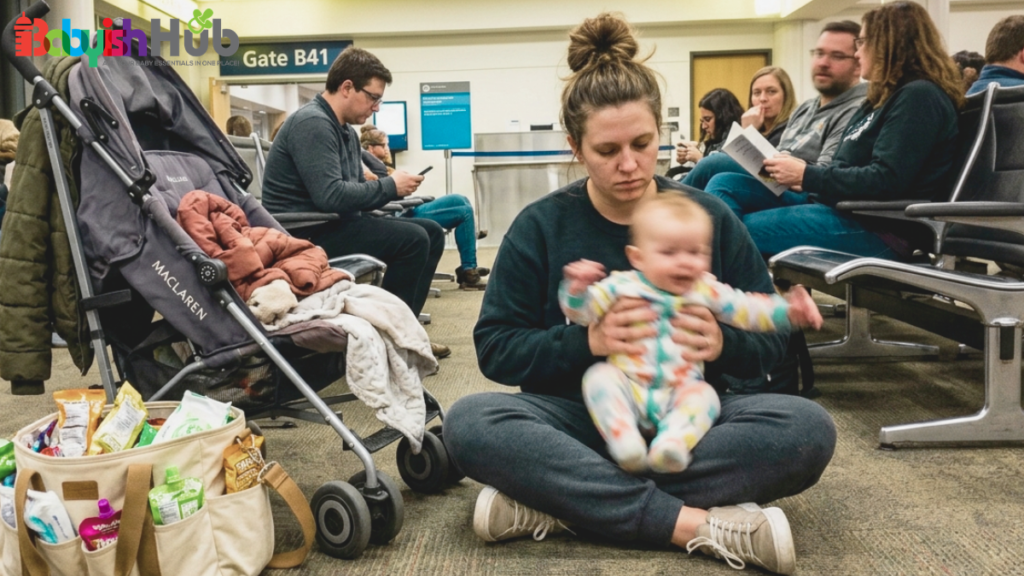
Flying with a baby sounds terrifying to most first-time parents. The reality is that it is manageable, and sometimes even enjoyable, when you know what you are doing.
Lap Infant vs. Buying A Seat
In most countries, babies under two can fly free or at a reduced fare as a lap infant. Buying a separate seat and bringing your car seat to install on the plane is safer and often more comfortable, but it is a high added cost.
If you plan to buy a seat for your child, make sure it is FAA-approved for aircraft use by checking the label on the car seat itself.
Not all car seats are certified for airplane use, and airlines will not allow non-approved models to be installed in flight.
Many parents only realize this at the gate, which can lead to last-minute stress or having to check the seat instead of using it on board.
Important detail: Booster seats are not FAA-approved. Only car seats with a built-in harness are allowed on aircraft seats.
If you are flying as a lap infant, know that it is more physically demanding than it sounds. You are holding a baby for the duration of the flight, often in a cramped space, while also managing your own needs.
For short flights, most parents find this very manageable. For long-haul flights, it can turn out to be genuinely exhausting, especially when you’re alone.
Check out our latest article on how to protect a baby’s ears during a flight
Navigating Security With A Baby
TSA and most international security checkpoints have policies in place for traveling families, but they are not always clearly communicated.
Breast milk, formula, and baby food are exempt from the standard liquid restrictions in most countries, but you will need to declare them, and they may be tested. Put them in an easy-to-access part of your bag.
Baby carriers can usually go through security while worn, though you may be asked to be screened separately. Strollers and car seats go through the X-ray machine.
Fold and collapse everything before you reach the belt so you are not fumbling with a stroller while a line of annoyed travelers watches.
On the Plane With Your Baby…
Board early if the airline offers family boarding. Use the extra time to get settled, install a car seat if you have one, and organize your under-seat bag so you can access everything without digging.
For takeoff and landing, nursing, offering a bottle, or giving a pacifier helps equalize ear pressure and reduces the discomfort that causes so much crying. Most babies handle pressure changes better than parents fear.
Bring more snacks and entertainment than you think you need. For older babies and young toddlers, novelty becomes your friend. Wrap a few small items in paper or tissue and let your baby unwrap them mid-flight. It is not glamorous, but it works.
Accept that you will not have a comfortable, relaxing flight. That is okay. Lower the expectation, prepare well, and the flight becomes much more manageable.
Check out our latest guide on the key rules for flying with your baby that you must know in advance.
Road Trips with A Baby (and How To Make Long Drives Work)
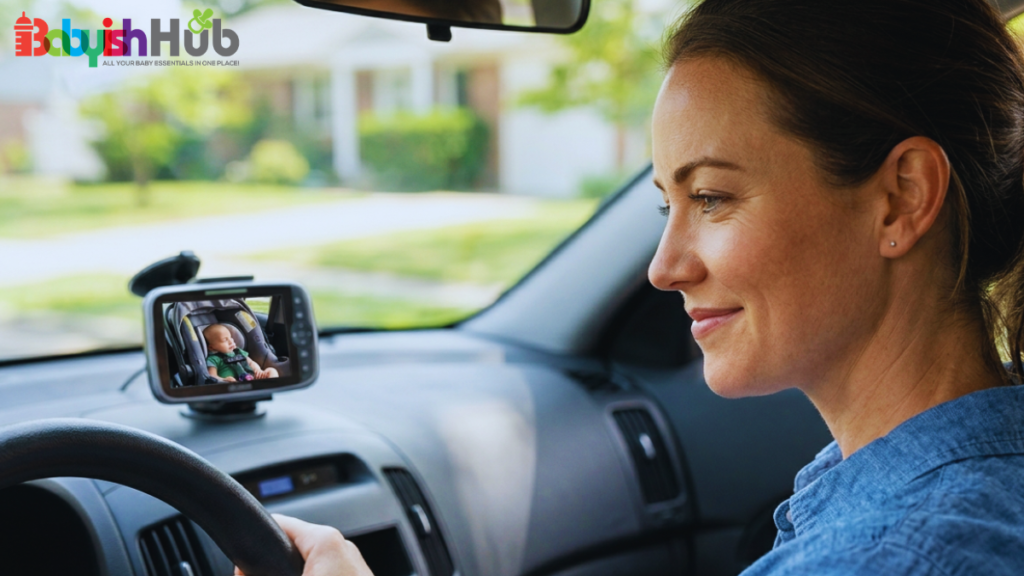
Going on road trips with a baby requires a different kind of strategy than flying. You have more flexibility and more control, but you also have a baby strapped into a car seat.
And they cannot see out the window, cannot understand why the trip is taking so long, and will eventually tell you exactly how they feel about that.
Planning Your Route and Stops
Build in more time than you think you need. A six-hour drive with a baby is realistically an eight-hour drive once you factor in feeding stops, diaper changes, and the occasional need to take a baby out of the car seat and let them stretch.
Fighting this reality makes the whole trip harder. Accepting it and building in buffer time makes it survivable.
Plan your stops around your baby’s needs rather than convenience. A rest stop with a grass area where your baby can lie on a blanket and kick their legs is worth seeking out. Many parents use apps or maps to look up family-friendly rest areas ahead of time.
If you have a partner, take turns sitting in the back with the baby during stretches when they need company. It is not comfortable, but having someone to interact with and comfort makes a significant difference. Solo traveling parents have a harder time here.
For solo drivers, being able to see your baby without constantly turning around can make long drives much less stressful. Many parents use a baby camera for the car to keep an eye on naps, dropped pacifiers, or whether their child simply needs a break.
Keep familiar music, audiobooks for older children, or your baby’s favorite songs playing. Familiar sounds can soothe even when you cannot physically reach your baby.
Car Seat Safety on Road Trips
Never compromise on car seat safety because you are tired of the crying. A baby who is uncomfortable or crying in their seat still needs to be in their seat.
Pull over if you need to soothe them, but do not hold them while the car is moving, not even briefly, not even for a moment.
Check your car seat installation before a long trip if you have not done so recently. Many fire stations offer free car seat checks. It is worth the twenty minutes.
Managing Sleep in the Car
Many babies sleep beautifully in a moving car, and some parents strategically time their longest driving stretches to overlap with nap time or bedtime.
This works well until it backfires and your baby only sleeps for forty minutes, wakes fully rested, and then screams for the next two hours while you are still three hours from your destination.
Always have a backup plan: This means snacks, music, toys, and the willingness to pull over and take a genuine break.
Sleeping Away from Home: The Biggest Challenge of Baby Travel
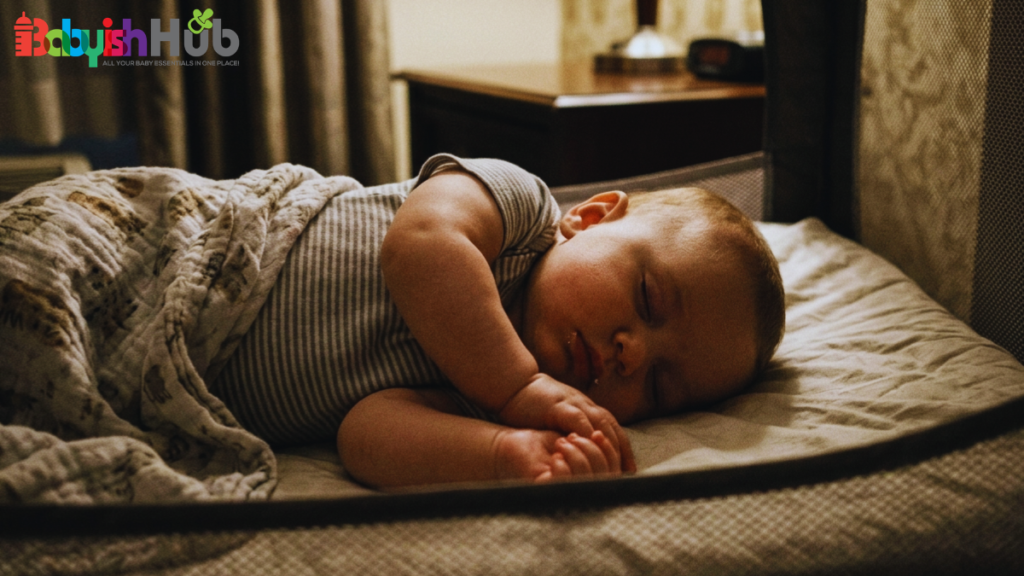
Of all the challenges that come with traveling with a baby, sleep disruption is the one that undoes most trips. A baby who is not sleeping is a baby who is overtired, cranky, and harder to soothe, and that creates a feedback loop that affects the entire family.
Setting Up A Sleep Space
Wherever you are staying, creating a sleep environment that resembles home as closely as possible is the goal: Dark room, white noise, familiar sleep sack, the same pre-sleep routine you use at home. These are your tools.
If you are in a hotel room, use blackout curtains if available or tape a dark sheet or blanket over the window. Pack painter’s tape specifically for this purpose. It holds well and does not damage walls or curtains.
A travel sound machine or a white noise app at a decent volume blocks out hallway noise and helps your baby stay asleep through disruptions.
For pack-and-play sleeping, some babies adapt easily, and others flat-out refuse. If your baby has never slept in a pack-and-play before, practice at home a week or two before your trip.
One or two practice naps in the pack-and-play at home can make a huge difference when you arrive at your destination and need it to work.
Sharing A Room
If your baby is sleeping in the same room as you, remember that you will need to go to sleep when they do, or sit in the dark quietly, or find somewhere else to be.
This surprises a lot of couples on their first trip with a baby. Plan for it. Bring a book you can read by phone light. Have a plan for where you will be during that first hour of your baby’s night sleep.
When Sleep Goes Sideways
Sometimes, despite your best efforts, your baby just does not sleep well away from home. It happens. If this happens, go through this checklist:
- Temperature of the room
- Darkness
- White noise level
- Hunger
- Teething pain
- Illness
- Overstimulation from a busy travel day
Address what you can. Accept that some disruption is just part of traveling with a baby and that it will not last forever. The trip will end, you will go home, and sleep will return to normal within a few days.
Feeding Your Baby While Traveling
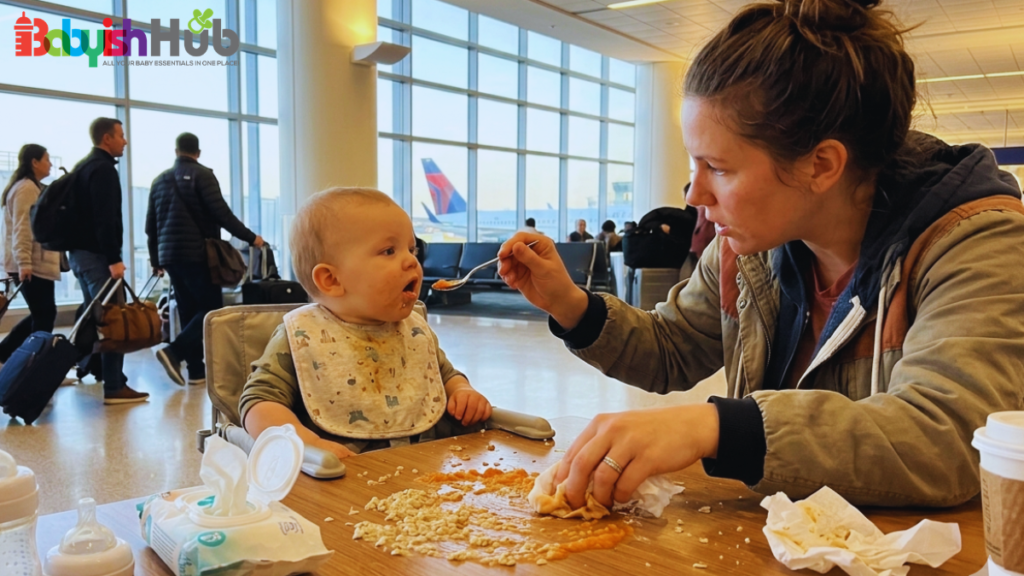
Whether you are nursing, formula feeding, or navigating the exciting chaos of solid foods, feeding a baby away from home adds a layer of logistical complexity that is worth thinking through ahead of time.
Nursing on the Go
Nursing in public while traveling is something many breastfeeding parents find easier than expected once they are doing it. Airports, train stations, and most tourist destinations have family rooms or nursing areas, though they vary wildly in quality. (Check out some of the best baby-friendly destinations)
A nursing cover, a lightweight wrap, or just a practiced latch in a carrier can give you the privacy you want in most situations.
Pumping while traveling requires more planning. If you are flying with your baby, pump or nurse before boarding if you can. Know where the power outlets are at your destination, and if you are road tripping, a car adapter for your pump is genuinely useful.
Formula Feeding On The Road
Pre-measured formula dispensers or individual formula packets are the most travel-friendly option for formula-fed babies. You can add them to water quickly without measuring, which is a significant advantage when you are dealing with a hungry, impatient baby in a moving car or a busy airport.
Be aware that if you are traveling internationally, formula brands, types, and formulas your baby is accustomed to may not be available at your destination. Bring enough formula for the duration of the trip plus a buffer, and pack it in your carry-on if flying, since formula is exempt from liquid restrictions.
Introducing Solids While Away
For babies on solid foods, the easiest approach while traveling is to lean heavily on pouches and easy-to-manage finger foods. Pouches are convenient, portable, and do not require refrigeration before opening. They are not a long-term nutritional strategy, but for a few days of travel, they are completely fine.
For sit-down meals at restaurants, purees and soft foods that can be mashed with a fork are your most flexible option. Banana, avocado, soft-cooked vegetables, and scrambled eggs work in most cuisines. Bring your portable high chair or clip-on seat so you are not at the mercy of whatever the restaurant has available.
Baby-Proofing Wherever You Stay
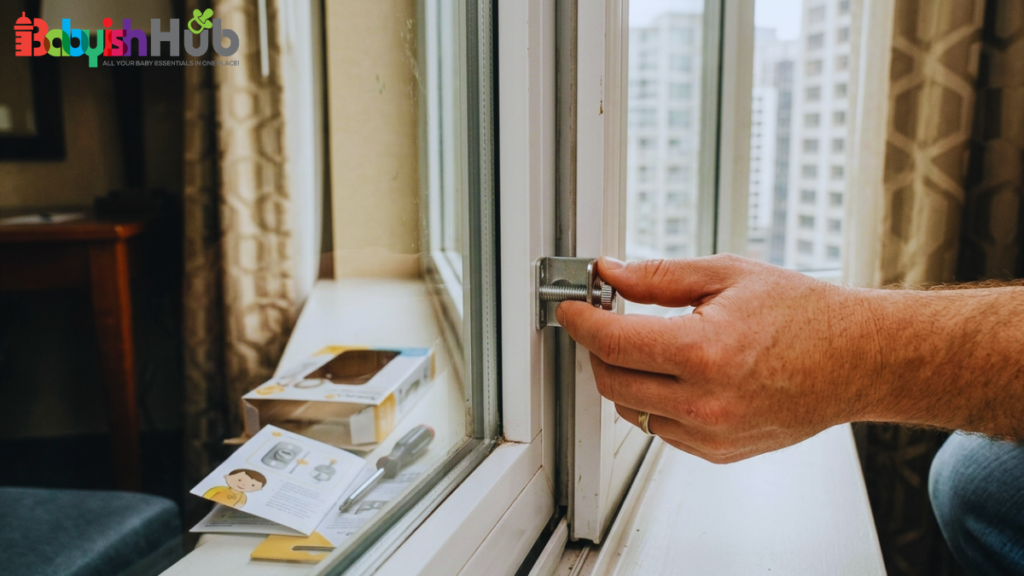
Hotel rooms and vacation rentals are not designed with babies in mind. When you arrive at your accommodation, do a baby-proofing walk-through before you let your baby loose.
This is what I personally do to babyproof where I’m staying with my babies:
- Get down to baby level, literally. Crawl around and look for electrical outlets, accessible cords, sharp furniture edges, small objects on low shelves, and cleaning products or toiletries that might be within reach under sinks or in low cabinets. Lock or move anything that is a hazard.
- Most parents bring a few outlet covers in their travel bag specifically for hotel rooms. They weigh almost nothing and take up no space.
- Check that balcony doors, windows, and any other access points your baby could push open are secure. Hotel balcony falls are among the most serious travel accidents involving young children, and they happen because parents are fatigued and momentarily distracted. (Source).
Managing Health and Illness While Traveling with A Baby
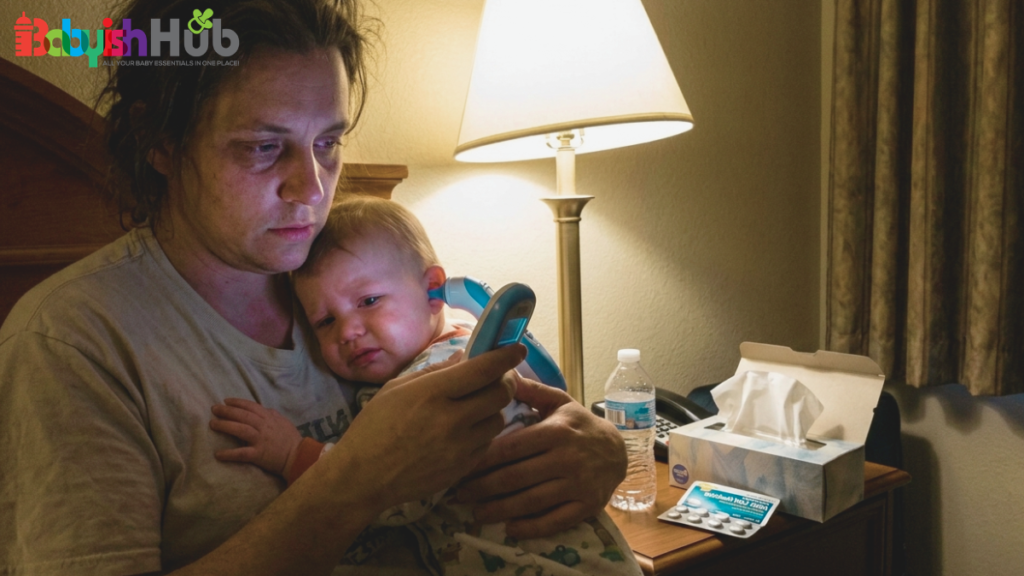
Babies get sick. Sometimes they get sick on trips. Having a plan is better than being caught off guard.
Before international travel, check whether any vaccinations are recommended for your destination. Speak to your pediatrician at least four to six weeks before departure if possible, as some vaccines require multiple doses or time to take effect.
Pack a small health kit:
- Infant pain reliever in the appropriate dosage for your baby’s weight
- A digital thermometer
- Saline nasal drops
- Diaper cream,
- And any prescription medications your baby takes regularly
Know how to say “I need a doctor” in the language of your destination if you are traveling internationally or have a translation app ready on your phone.
If your baby gets sick mid-trip, trust your gut. A mild fever and fussiness in an otherwise acting-normal baby is usually something you can manage with rest and fluids.
A very high fever, difficulty breathing, a rash, or a baby who seems unusually lethargic needs medical attention.
Most major tourist areas have clinics or hospitals accustomed to treating visiting families.
Tips To Keep Your Baby Comfortable In New Environments
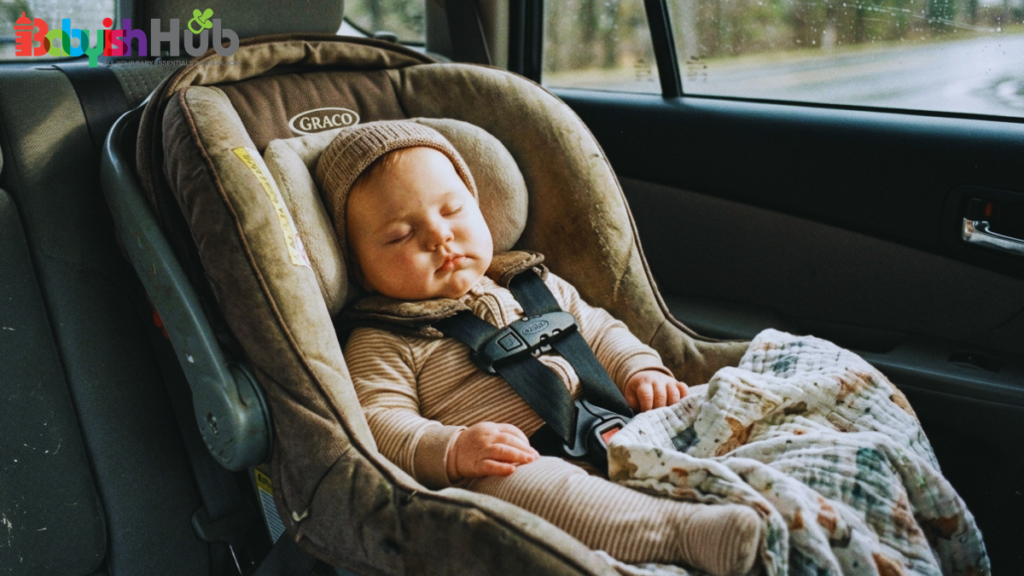
Babies read your stress. When you are anxious, rushed, and overwhelmed, they often become anxious, fussy, and harder to settle.
One of the most practical things you can do while traveling with a baby is work on your own regulated state, which is easier said than done, but genuinely makes a difference.
Build in more downtime than feels comfortable. A trip with a baby is not the time for back-to-back activities. Plan one or two meaningful things per day and leave room for naps, feeding, and unscheduled baby time.
The trips where I have tried to do everything have been the least enjoyable. The trips where I have accepted a slower pace have been the ones we look back on fondly.
Familiar items from home help enormously. Bring your baby’s favorite lovey or comfort object, a familiar blanket, and a toy or two they know well. These sensory anchors help your baby feel safe in an unfamiliar environment.
International Travel with A Baby: What You Need to Know
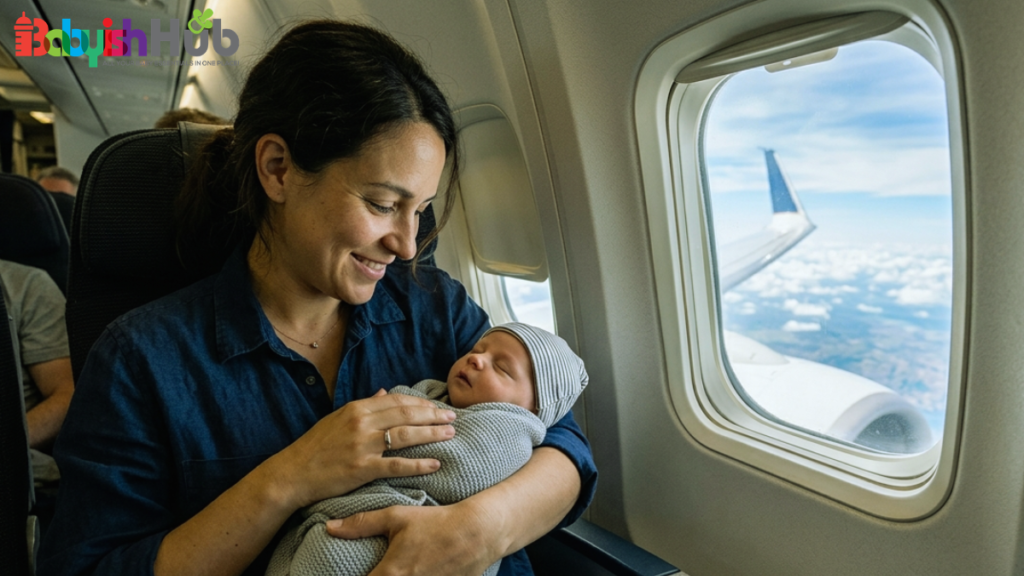
Traveling internationally with a baby adds paperwork, health considerations, and logistical complexity, but it is entirely doable with the right preparation.
Every baby needs their own passport to travel internationally. Apply well in advance, as processing times vary and can be several weeks in many countries.
If you are a single parent or traveling without the other parent, some countries require a notarized letter of consent from the absent parent. Research the entry requirements for your specific destination before you travel.
Car seats are not universally provided or available when traveling internationally. If you will be using taxis, rideshares, or rental cars at your destination, research whether you need to bring your own car seat or whether your car rental company offers them.
In some destinations, the concept of infant car seats is not standard practice. Make the safest decision you can with the information available.
Travel insurance that covers medical emergencies for your baby is strongly worth considering for international trips. Review what your existing health insurance covers internationally before assuming you are protected.
For destination-specific safety considerations, see our Complete Guide to Traveling With Baby To Mexico.
What Traveling with A Baby Teaches You:
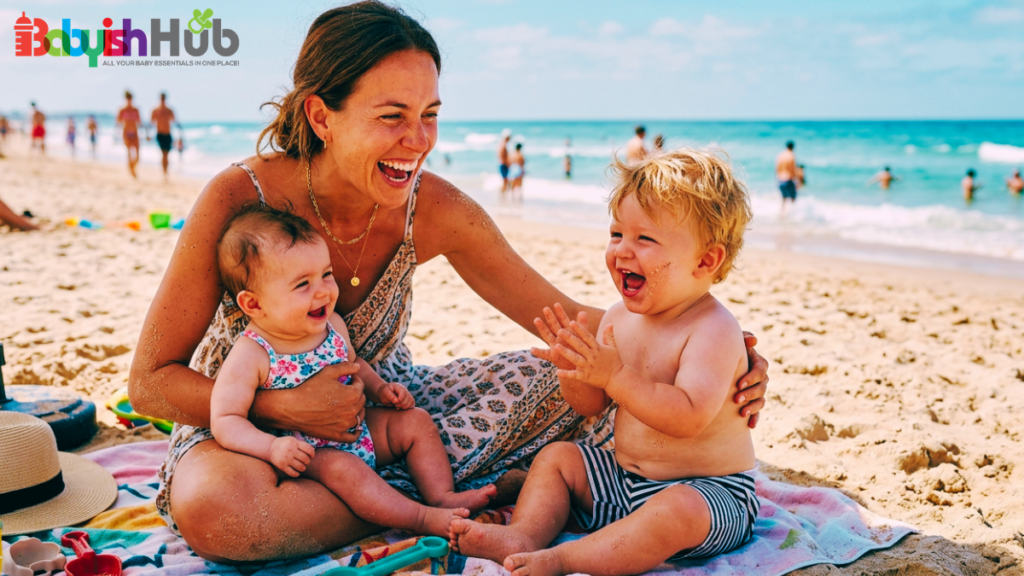
Here is the thing nobody talks about enough: traveling with a baby changes you in good ways. For instance:
- You slow down in ways you cannot manufacture at home.
- You notice things you would have rushed past before.
- You become fiercely resourceful and genuinely creative about problem-solving in ways that make every other challenge in life feel more manageable.
- And watching your baby experience the world for the first time, seeing their eyes go wide at the ocean, or a busy market, or a garden full of butterflies, is the kind of thing that cuts straight through the exhaustion and reminds you why you went in the first place.
I’ll be honest with you: These trips will not go perfectly. There will be blowouts in the worst possible moments, naps that collapse entirely, a fever on day two, and at least one meal eaten standing up outside a restaurant while you bounce your baby and eat your food cold.
But don’t count this as a failure. This is just the reality of traveling with a baby, and it is also, somehow, completely worth it.
RELATED: 25 Best Hacks for Traveling With Your Baby!
Traveling With A Baby FAQs:
Here are some of the most common travel-with-baby questions, answered simply to help first-time parents travel with less stress and more ease:
How do you travel with an infant by plane?
Start by booking seats that give you space and easy aisle access. Pack extra diapers, wipes, clothes, feeds, and comfort items in your carry-on. Feed your baby during takeoff and landing to ease ear pressure. Keep expectations flexible, because calm parents often help babies stay calmer too.
When is the right time to travel with a newborn by car?
Most healthy newborns can travel by car soon after birth if properly secured in a rear-facing car seat. Keep journeys short at first and stop regularly for feeding, diaper changes, and breaks. Avoid long, uninterrupted drives in the early weeks whenever possible.
Is it okay to fly with a 3-month-old baby?
Yes, many healthy three-month-olds fly without major issues. By this age, babies are often more settled and may sleep well during travel. The main concerns are routine disruption, exposure to illness, and ear pressure discomfort. Check with your pediatrician if your baby has health concerns.
Is it safe for a 6-month-old baby to travel by plane?
For most healthy babies, yes. Six-month-olds are usually sturdier, have stronger neck control, and may handle travel routines better than younger infants. Bring feeds, toys, and extra clothing. Cabin pressure can still cause discomfort, so offer a bottle, pacifier, or snack during descent.
What do I need to travel with a baby on a plane?
Bring essentials in your carry-on: diapers, wipes, formula or milk, bottles, spare clothes, blanket, pacifier, medicines, and favorite comfort items. Keep documents handy if required. A baby carrier is helpful through the airport. Pack more supplies than expected, since delays happen often.
Is it safe for a 4-month-old baby to fly?
Usually, yes, if your baby is healthy and feeding well. Four-month-olds are often easier travelers than older mobile babies because they may nap more and stay content longer. Main considerations are illness exposure, sleep disruption, and ear pressure changes during takeoff and landing.
Can we travel by flight with a 1-month-old baby?
Technically, yes, as many airlines allow it, but caution is important. One-month-olds have immature immune systems and can be harder to settle in unfamiliar environments. If travel is necessary, choose a direct route, limit exposure to crowds, and ask your pediatrician first.
When can a newborn fly internationally?
Airlines may allow newborns to fly after the first one to two weeks, sometimes with medical clearance. However, many doctors recommend waiting until at least two to three months if possible. International trips involve longer travel times, more germs, and added logistics like passports.
Check out our recent guide on how to plan a family vacation with your baby.
A Few Final Thoughts on Traveling With A Baby
Every family finds its own rhythm with baby travel. Some families hit the road or board a plane without hesitation. Others find travel stressful enough that they wait until their child is older, and that is a completely valid choice, too. There is no correct answer about when or how much to travel with your baby, only the answer that works for your specific child, your family’s needs, and your own capacity.
What matters most is going in informed, having a realistic plan, and permitting yourself to adapt as things unfold. Because they will unfold differently from what you planned. That is guaranteed. Parents who have the best experiences traveling with babies are not the ones with the most gear or the most perfectly organized bags, but the ones who expected the unexpected, packed their patience alongside the diapers, and decided to find the whole adventure at least a little bit funny.
You have got this. Truly.