How To Dress Baby For Sleep: Safe Choices For Every Season
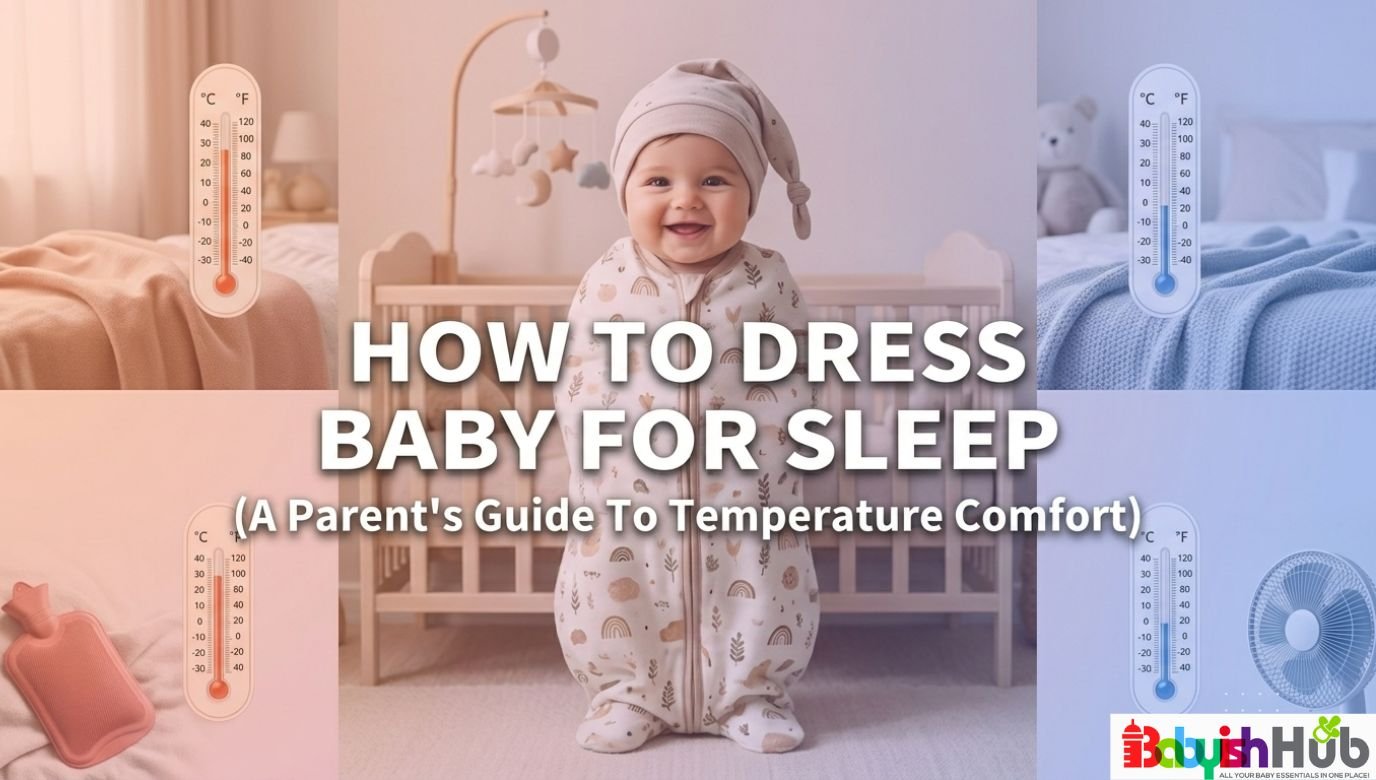
Dressing your baby for sleep comes down to choosing breathable clothing based on the room temperature rather than the weather outside, then layering with a sleep sack if needed. I advise you to go with one extra light layer than a comfortable adult would wear, and skip hats, loose blankets, and heavy bundling.
“How do I dress my baby for sleep?” is a question that comes up at almost every bedtime, especially in the newborn months when your baby can’t tell you how they feel. To dress your baby for sleep, you need to do more than just pick a cute pajama set. You need to pick the right sleepwear that supports safe sleep, helps prevent overheating, and gives your baby a better shot at a longer, steadier stretch of sleep.
This guide walks you through exactly how to dress baby for sleep based on room temperature, age, and season, so you can stop second-guessing pajama choices at 9 p.m.
How To Dress A Baby for Sleep? (Quick Answer)
Dress your baby in lightweight, breathable sleepwear based on the room temperature rather than the weather outside. A general guideline is one extra light layer than a comfortable adult would wear. Skip hats, loose blankets, and heavy clothing during sleep, and add a properly fitted sleep sack if your baby needs more warmth.
Key Takeaways:
- Dress your baby for the room temperature, not the temperature outside.
- Choose breathable fabrics like cotton or bamboo over synthetic blends.
- Skip hats and heavy blankets during sleep to avoid overheating.
- A properly fitted sleep sack is safer than a loose blanket.
- Check your baby’s chest or the back of their neck to gauge warmth, not their hands or feet.
- Adjust clothing and TOG rating as the seasons and your nursery temperature shift.
Why You Should Dress Your Baby Properly for Sleep
Overheating is one of the risk factors pediatric safety guidelines ask parents to watch for, alongside a firm sleep surface and a clear crib. A baby who’s dressed too warmly can become overheated without any obvious signs until they’re already flushed and restless, which is part of why room temperature matters more than instinct here. (Source).
Beyond safety, the right sleepwear affects comfort and sleep quality directly. A baby who’s sweating through their pajamas or shivering under a single thin layer wakes more often, and those wake-ups will spiral into a rough night for the whole house. Getting the clothing right is a small adjustment that pays off in longer, steadier stretches of sleep.
How To Dress Baby for Sleep By Room Temperature
The room temperature should guide you on what your baby should wear to bed. Let’s break this down by temperature range:
- 60 to 64°F (16 to 18°C): This is on the cooler end for a nursery. A long-sleeve onesie under footed pajamas, paired with a 2.5 TOG sleep sack, keeps most babies comfortably warm without over-bundling.
- 65 to 68°F (18 to 20°C): Footed pajamas alone, layered under a 2.5 TOG sleep sack, work well in this range. This is a common nighttime temperature in homes that lower the thermostat overnight.
- 69 to 72°F (21 to 22°C): This is the most common nursery temperature range, and it’s often treated as the sweet spot for baby sleep. Footed pajamas or a bodysuit under a 1.0 TOG sleep sack is a reliable combination here.
- 73 to 75°F (23 to 24°C): Once the room warms up, a short-sleeve bodysuit is usually enough on its own, with a lighter 0.5 TOG sleep sack if your baby still likes the wearable blanket feel.
- Above 75°F (24°C+): In a warmer baby sleep room, a diaper alone or a lightweight bodysuit is often sufficient, and a sleep sack becomes optional rather than necessary. If you’re using a fan to help with airflow, keep it pointed away from the crib and out of your baby’s direct reach, and never aimed straight at the crib in a way that could carry loose items toward it.
Baby Sleep Clothing Temperature Chart
To take the guesswork out of your evening routine, use this quick chart to help match your nursery thermostat with the right clothing:
| Room Temperature | Clothing | Sleep Sack TOG |
| 60 to 64°F | Long-sleeve onesie + footed pajamas | 2.5 TOG |
| 65 to 68°F | Footed pajamas | 2.5 TOG |
| 69 to 72°F | Footed pajamas or bodysuit | 1.0 TOG |
| 73 to 75°F | Short-sleeve bodysuit | 0.5 TOG |
| 75°F+ | Diaper or lightweight bodysuit | Optional |
How To Dress Baby For Sleep By Age
As your baby grows (and they grow fast), their sleepwear needs to change from cozy newborn bundles to outfits that let them move around safely. Here are the best ways to dress your baby for sleep at every stage of their first year and beyond:
Newborns (0 to 3 Months)
Many newborns sleep well swaddled, which can help settle the startle reflex that often wakes young babies. Once your baby shows signs of trying to roll, usually somewhere between 2 and 4 months, it’s time to stop swaddling with arms tucked in and transition to a sleep sack instead. A sleep sack gives newborns the same cozy, contained feeling without restricting their arms once rolling becomes a concern.
Babies (3 to 12 Months)
This is typically the sleep sack era. Footed pajamas underneath a sleep sack cover most temperature ranges, and layering up or down based on the chart above takes the guesswork out of most nights. Avoid adding a hat or extra blanket on top of the sleep sack, since the sack itself is doing the job a blanket would otherwise do.
Toddlers (12 Months+)
Once your toddler transitions out of a crib, sleep bags designed for bigger toddlers or two-piece pajama sets both work well. You can introduce lightweight blankets once your toddler is developmentally able to move them off their own face and out of the way, which your pediatrician can help you time based on your child’s individual development.
How To Dress Baby For Sleep In Every Season
Indoor temperatures change with the seasons, which means your baby’s bedtime clothing must also change to keep them from overheating or shivering.
How To Dress Your Baby for Sleep in the Summer
To dress your baby for sleep in hot summer weather, choose lightweight, breathable fabrics like cotton or bamboo to prevent overheating. Dress your baby in a short-sleeve bodysuit alone, or pair a simple diaper with a lightweight, low-TOG (0.5) sleep sack on exceptionally warm nights.
Dressing Your Baby for Sleep in Cold Winter Weather
To dress your baby for sleep in cold winter weather, layer their clothing instead of using one thick outfit. Put a lightweight base layer onesie under fleece or cotton footed pajamas, then add a high-TOG (2.5) sleep sack to keep your baby warm and safe without bulky fabric.
How to Dress Your Baby for Sleep in the Spring
To dress your baby for sleep during fluctuating spring weather, check your nursery thermometer every evening before bedtime. Layer a flexible base bodysuit under standard footed pajamas and adjust the sleep sack TOG rating up or down based on the actual indoor room temperature rather than the outdoor forecast.
Baby Fall Sleepwear Guide
To dress your baby for sleep during cool autumn transitions, increase the insulation of your baby’s sleepwear as indoor temperatures drop. Switch from lightweight summer bodysuits to long-sleeve footed pajamas, and upgrade to a heavier 1.0 or 2.5 TOG sleep sack to maintain a safe, warm core body temperature all night.
How Many Layers Should A Baby Wear To Sleep?
A helpful general guideline is to dress your baby in one extra light layer compared to what a comfortable adult would wear in the same room. If you’d sleep in a T-shirt and light pajama pants, your baby likely needs one additional light layer on top of that, such as footed pajamas plus a light sleep sack.
To check whether your baby is dressed the right way, feel their chest or the back of their neck rather than their hands or feet. Babies’ hands and feet tend to run cooler naturally and can therefore not be used as a reliable indicator of overall body temperature.
What Are The Safest And Best Fabrics for Baby Sleepwear?
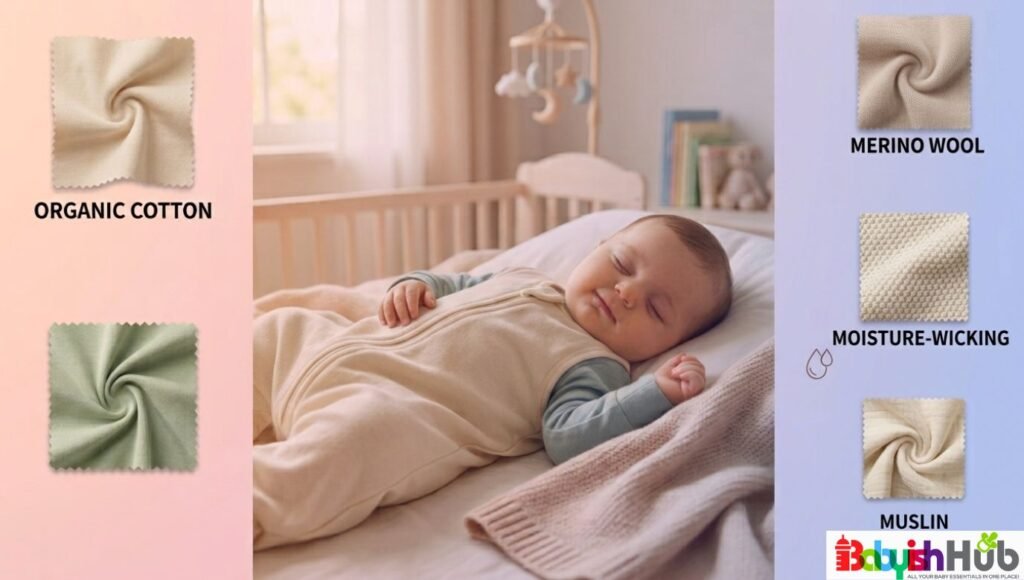
Dressing your little one in breathable, natural fabrics helps regulate body temperature far better than synthetic blends. Cotton is a widely available, affordable option that breathes well and holds up to frequent washing. Bamboo fabric offers a similar breathability with a softer, slightly stretchier feel that many parents like for footed pajamas.
Merino wool, while less common for sleepwear, offers natural temperature regulation and works well in colder climates for base layers. Organic cotton and other moisture-wicking materials are worth considering if your baby tends to run warm or sweats through pajamas overnight, since these fabrics pull moisture away from the skin rather than trapping it.
Should Your Baby Wear A Sleep Sack To Bed?
For most babies past the newborn swaddling stage, a sleep sack is one of the safer ways to add warmth without loose bedding in the crib. It replaces the loose blanket that pediatric safe sleep guidelines recommend avoiding, while still giving your baby that snug, secure feeling.
When choosing a sleep sack, you need to look at the Thermal Overall Grade (TOG) rating. This simply measures how much warmth a piece of sleepwear provides. A higher TOG rating means a warmer sleep sack, while a lower TOG rating means a lighter, cooler one. Choosing the right TOG comes down to matching it against your room temperature chart, then layering underneath as needed.
There are situations where a sleep sack isn’t the right fit, such as very warm climates where a lightweight bodysuit alone is more comfortable, or once your toddler has transitioned to a bed and is old enough for a lightweight blanket instead.
Signs Your Baby Is Too Hot or Too Cold
Use this checklist to learn the exact physical signs that tell you whether your baby is too hot or too cold, so you can adjust their layers immediately:
Too Hot:
- Sweaty neck or damp hair
- Flushed cheeks
- Rapid breathing
- Restlessness or difficulty settling
Too Cold:
- Cool chest or back, not just cool hands and feet
- Frequent waking without an obvious cause
- Shivering, though this is less common in young infants than in older children
What Are the Most Common Mistakes Parents Make When Dressing A Baby for Sleep?
Avoid these common baby sleepwear traps to ensure your little one stays safe, comfortable, and at the perfect temperature all night long:
- Using a hat during sleep, which can slip and cover a baby’s face
- Over-bundling with multiple heavy layers plus a sleep sack
- Dressing for outdoor weather instead of the actual room temperature
- Adding loose blankets on top of a sleep sack
- Ignoring the TOG rating and guessing at warmth instead
- Assuming cold hands or feet mean the baby is cold overall
How To Dress Your Baby for Sleep FAQs:
Here are quick answers to some of the most common questions about safely dressing your baby for sleep:
What should a newborn wear to sleep?
Most newborns do well swaddled or in a light sleep sack over a onesie, adjusted for room temperature. Once your baby shows signs of rolling, switch from a traditional swaddle to a sleep sack that leaves their arms free.
Should babies wear socks to bed?
Socks aren’t necessary for warmth, since a baby’s core temperature matters far more than their feet. If you use them for comfort, make sure they fit snugly and can’t come loose in the crib.
Can babies sleep in just a diaper?
Yes, in warm rooms above roughly 75°F, a diaper alone is often enough. In cooler rooms, a lightweight bodysuit or additional layer is more appropriate.
Should babies wear hats while sleeping?
No. Hats aren’t recommended during sleep, since they can slip down over a baby’s face and pose a suffocation risk. Hats are appropriate for outdoor use, not for the crib.
Is a sleep sack necessary for a baby’s sleep?
It’s not strictly required, but many parents find it a safer alternative to loose blankets while still giving their baby a settled, cozy feeling. It’s especially useful once swaddling is no longer appropriate.
How do I know if my baby is too hot at night?
Check their chest or the back of their neck. A sweaty neck, damp hair, or flushed cheeks are signs your baby is overdressed for the room temperature.
Can babies sleep in footed pajamas?
Yes, footed pajamas are a common base layer across most temperature ranges, often paired with a sleep sack in cooler rooms or worn alone in warmer ones.
What TOG sleep sack should I use?
TOG choice depends on your room temperature. Lower TOG ratings, around 0.5, suit warmer rooms above 73°F, while higher TOG ratings, around 2.5, suit cooler rooms in the 60 to 68°F range.
How to dress your baby for sleep without a sleep sack?
To dress your baby for sleep without a sleep sack, you must rely entirely on their clothing for warmth since loose blankets are unsafe in a crib. Opt for long-sleeve, breathable footed pajamas made of thermal cotton or fleece to keep their feet and arms warm. If the room is cool, layer a short-sleeve cotton bodysuit underneath the pajamas to add core insulation without creating bulky or loose fabric hazards.
What room temperature is best for a baby’s sleep?
Most pediatric sleep guidance points to somewhere between 68°F and 72°F as a comfortable range for baby sleep, though individual comfort can vary slightly within that window.
RELATED: Why Does My Baby Move So Much In Sleep? When To Worry
Final Thoughts
The best sleep outfit for your baby comes down to your nursery temperature, their age, and breathable layering, not a single perfect pajama set. When you’re unsure, simply lean toward slightly cooler over slightly warmer, and check your baby’s chest rather than guessing. A simple system, built around your room temperature chart, takes the nightly guesswork out of bedtime and helps you settle in with peace of mind.