How To Choose A Baby Stroller: Complete Parent Guide
I still remember standing in the stroller aisle at Buy Buy Baby when I was pregnant with my first, completely frozen. There were easily 40 options staring back at me, ranging from a basic $89 umbrella fold to a $1,400 all-terrain beast that looked like it could handle a mountain trail.
I had no idea what I needed. If you’re trying to figure out how to choose a baby stroller right now, I want to save you from that same paralyzing overwhelm. The right stroller has everything to do with your lifestyle, not the price tag.
How To Choose A Baby Stroller (Quick Answer):
To choose a baby stroller, you’ll need to start with your lifestyle, not the features: Ask where you’ll use it most, how often you’ll lift it into a car, and whether you need it to work from birth.
Here’s how you can choose a suitable stroller for your needs:
- For newborns: Look for a full flat recline or bassinet compatibility to keep their airway open and spine supported.
- For older babies and toddlers: Prioritize an upright seat, a high weight capacity (at least 50 lbs.), and easy in-and-out access.
- For city living: Choose a lightweight frame under 15 lbs. with a one-handed fold.
- For suburban or outdoor use: Look for air-filled tires and suspension to handle uneven terrain.
- For travel: Pick a stroller that folds compactly and weighs under 15 pounds for easy gate-checking.
Every stroller should have a five-point harness, reliable brakes, and a stable frame. Beyond safety, the most useful features are a one-hand fold, a large storage basket, and a UPF 50+ canopy.
Budget-friendly options ($100–$200) work well for everyday use. Mid-range picks ($250–$500) offer better build quality and a smoother ride. Premium strollers ($600+) are worth considering only if your lifestyle genuinely demands those features.
The right stroller fits your daily routine and your baby’s current stage, not your neighbor’s recommendation or the highest price tag on the shelf.
Why Choosing The Right Baby Stroller Is Important
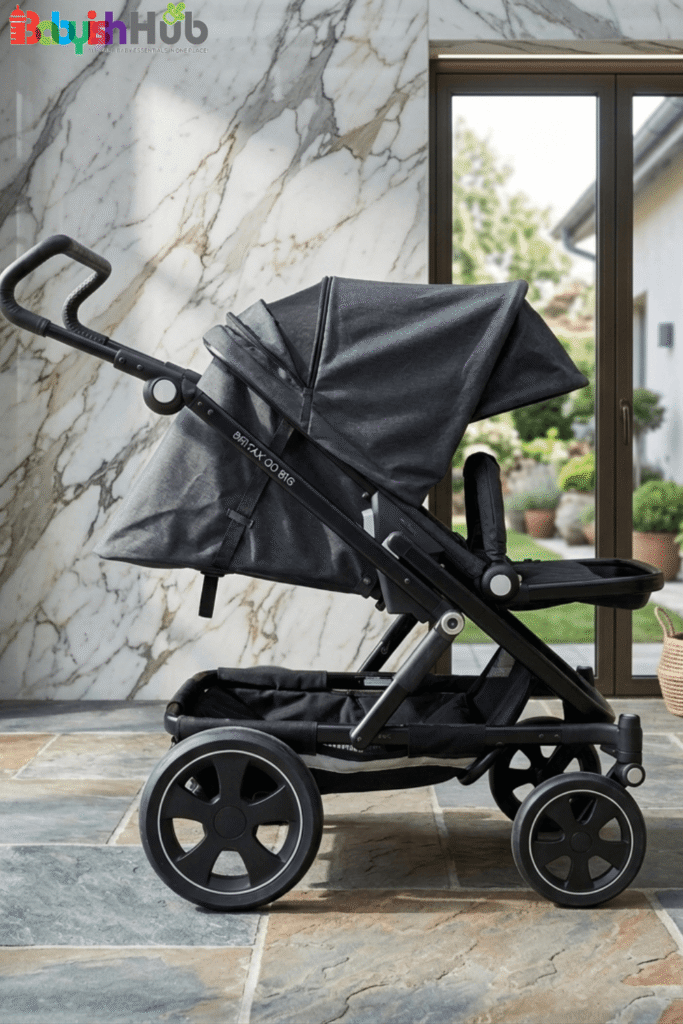
A stroller is one of the few pieces of baby gear you’ll use almost every single day, sometimes for years. When you pick one that doesn’t fit your life, you feel it quickly.
Maybe the fold is so complicated that you avoid bringing it anywhere. Maybe the wheels can’t handle your neighborhood sidewalks. Maybe it’s so heavy that loading it into your car becomes a daily source of frustration.
Getting this decision right from the start saves you money, time, and a surprising amount of stress. Many parents end up buying two strollers because their first choice didn’t work out. A little research up front goes a long way toward avoiding that costly mistake.
Beyond convenience, safety is non-negotiable. A well-chosen stroller keeps your baby secure, properly supported, and shaded from the elements. A poor fit for your baby’s developmental stage can affect their comfort and safety, which is reason enough to think this through carefully.
Start With Your Lifestyle Before Looking At Features
Most stroller guides lead with features. That’s misleading. I’d encourage you to start somewhere more personal: your daily routine. Before you look at a single spec sheet, answer this honestly: where will you use this stroller?
Urban Living vs. Suburban Living
If you live in a city, your stroller needs to navigate sidewalk cracks, public transit, elevator doors, and café entrances. You need something compact enough to fold quickly and store in a small apartment hallway. Bulky frames and wide wheelbases become a nightmare on crowded streets.
If you live in the suburbs and primarily load the stroller in and out of an SUV or minivan, you have more flexibility on size and weight. But you still want to think about trunk space and whether you can lift the stroller in and out solo, because there will be many days you’re doing exactly that with a fussy baby on your hip.
Best Stroller For Frequent Travelers
If you fly with your baby several times a year or even once a year, stroller weight and fold size become major factors. Gate-checking a stroller sounds simple until you’re sprinting to a connection at O’Hare with a 28-pound frame banging against your legs. Lightweight travel strollers, typically under 15 pounds, exist specifically for this scenario. They sacrifice some features, but that tradeoff is worth it for families constantly on the move.
Active Families
If you walk long distances, hike, or run, an all-terrain or jogging stroller becomes a serious consideration. These models have larger wheels, better suspension, and frames built for varied surfaces. One important note, though: most jogging strollers have a minimum age recommendation, often around 6 months, before a baby can safely run in them. Always check the manufacturer’s guidance on this.
Related: How To Travel With A Stroller And A Car Seat
Consider Your Baby’s Age and Growth
To choose a stroller that truly fits your needs, it’s important to consider your baby’s current age, size, and developmental stage, as these factors determine the features and support they’ll need both now and in the months ahead.
Choosing A Stroller for A Newborn
Newborns cannot hold their heads up on their own, which means they need a flat or near-flat recline position to keep their airways open and their spines properly supported. When shopping for a stroller for a newborn, you have a few paths forward.
Some strollers come with a bassinet attachment or built-in flat recline suitable from birth. Others are compatible with an infant car seat, which snaps in via an adapter to create a travel system.
This is often the most practical option for the early months because it lets you move a sleeping baby from car to stroller without disturbing them. If this matters to you, confirm that your specific car seat brand is compatible with the stroller you’re considering before you buy.
How To Choose A Stroller for an Older Baby or Toddler
Once your baby can sit unassisted, usually around six months, you have far more stroller options available. Older babies and toddlers need upright seating, good legroom, and a weight capacity that accommodates their growing size.
Many strollers have a weight limit of 50 to 55 pounds, which covers most children through the toddler years. Pay attention to how easily a child can get in and out, because that becomes more relevant as they develop opinions about doing things themselves.
Types of Baby Strollers Explained
Understanding the different types of baby strollers can make your decision much easier, helping you choose a model that matches your lifestyle, daily routine, and long-term family needs.
1. Full-Size Strollers
Full-size strollers offer you the most features: larger storage baskets, multi-position recline, robust canopies, and better suspension. They tend to be heavier and take up more trunk space, but they’re a good long-term option for families who want one stroller to do everything. They work especially well for parents who don’t travel frequently and primarily use the stroller in their neighborhood or local parks.
Lightweight or Umbrella Strollers
Umbrella strollers earned their name from the curved handles that look like an umbrella. They’re lightweight, fold quickly, and are easy to carry. The tradeoff is fewer features: smaller storage, minimal recline, thinner padding. For a second stroller or a travel backup, they’re excellent. But they often fall short if you use them as a primary stroller from birth.
Travel Systems
A travel system bundles an infant car seat, a car seat base, and a stroller frame together. The car seat clicks onto the stroller so you can transfer a sleeping newborn without waking them. This setup is incredibly convenient in the first four to six months.
Just keep in mind that once your baby outgrows the infant car seat, you’ll either need a stroller with a regular seat or a convertible car seat plus a different stroller. Plan for that transition ahead of time.
Jogging Strollers
Jogging strollers have three large air-filled wheels, a fixed front wheel for stability at speed, and suspension to absorb impact. They handle rough terrain and running pace much better than standard strollers.
That said, they’re wider and harder to maneuver in tight spaces, so they’re not ideal as an everyday urban stroller. They shine for active parents who run or walk long distances on varied terrain.
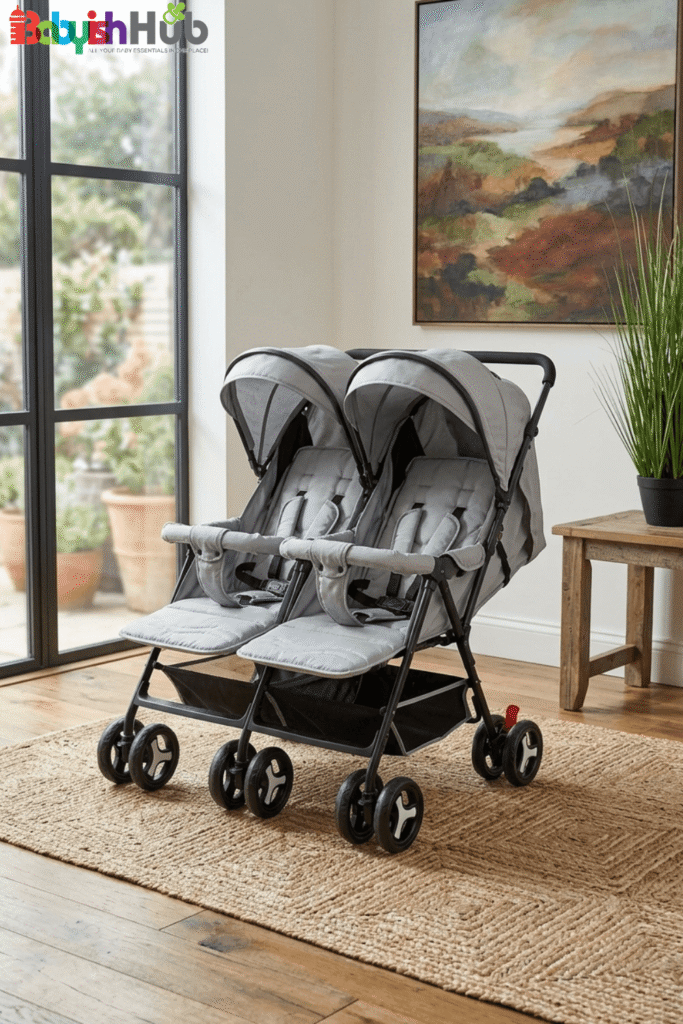
Double and Convertible Strollers
If you have two children in the stroller years, or if you’re pregnant with your second, a double stroller or a convertible single-to-double deserves serious consideration. Tandem doubles (one seat behind the other) fit through standard doorways more easily than side-by-side models.
A side-by-side stroller, however, lets both children see each other and the world equally. Think about which configuration fits your situation and the spaces you navigate most often.
Essential Features To Look for When Choosing A Baby Stroller
As you compare your options, paying attention to the little details can go a long way. The right combination of features can make every outing with your baby smoother, safer, and a lot more enjoyable.
Here are some of the most important features to look for when choosing a baby stroller:
Safety Features
Every stroller you consider should have a five-point harness, meaning straps cross over both shoulders, both hips, and between the legs. Parking brakes should engage and release easily but hold firmly on an incline. A stable, wide-set frame reduces tipping risk. Look for strollers that meet current ASTM International safety standards or carry equivalent safety certifications.
Foldability and Storage
Test the fold before you buy, if at all possible. One-handed folding sounds like a luxury until you’re standing in a parking lot with your baby in one arm and a packed diaper bag on your shoulder.
A self-standing fold means the stroller stays upright on its own once collapsed, which is helpful when you need both hands. Measure your car trunk before committing to any stroller to make sure the folded dimensions fit.
Maneuverability
Push the stroller in the store. Check that it turns smoothly, responds to one-handed pushing, and doesn’t veer to one side. Swivel front wheels are more maneuverable for daily use, while locked front wheels offer stability for jogging. Air-filled tires absorb bumps better but require occasional inflation. Foam-filled tires never go flat but provide less cushion on rough surfaces.
Recline and Seating Comfort
Multiple recline positions are useful as your child grows and naps in the stroller. A fully flat recline is essential for newborns. Look for a padded seat, an adjustable footrest, and enough back support to keep an older toddler comfortable during longer outings.
Sun Protection and Weather Coverage
A large, extendable canopy with a UV rating keeps your baby protected on sunny days. Ventilation panels, sometimes with a magnetic closure for easy access, help with airflow in warmer weather. Many strollers include a rain cover or offer one as an add-on. If you live somewhere with frequent rain, this is worth factoring into your purchase.
Storage Basket and Parent Convenience
The under-seat basket is one of those features that seems minor until you’re carrying a diaper bag, groceries, and a jacket for a toddler who got hot halfway through the walk. Bigger is almost always better here.
Cup holders, phone pockets, and the ability to add a parent organizer all make daily outings more manageable, even if they don’t appear on your must-have list at first.
How Much Should You Spend On A Baby Stroller?
Stroller prices vary a lot depending on the brand, features, build quality, and the type of stroller you choose. If you’re wondering how much to spend, here’s a quick breakdown of what each stroller price range usually offers:
- Budget-friendly strollers in the $100 to $200 range can absolutely hold up well for everyday use. Many parents rely on them without issue.
- Mid-range strollers between $250 and $500 often offer better build quality, smoother rides, and features that hold up over years of heavy use.
- Premium strollers above $600 offer impressive engineering and luxury finishes, but the price jump doesn’t always translate to a proportional improvement in daily usability.
My personal advice to you is to spend based on how hard you’ll use the stroller, not on brand recognition or aesthetic appeal. A $350 stroller that fits your lifestyle will serve you better than a $900 one that doesn’t.
What Are Some of The Best Baby Stroller Brands Today?
Brand reputation isn’t everything, but it does tell you something about build quality, customer support, and how a company stands behind its products over the years of daily use.
Here’s an honest look at where some of the most established names tend to excel, and where they fall short:
UPPAbaby
UPPAbaby has built its reputation on premium build quality and smart engineering, particularly with strollers like the Vista and Minu line. The fabrics hold up well, the bassinets are genuinely comfortable for newborns, and the company offers strong customer support if parts wear out. The tradeoff is price. UPPAbaby strollers sit firmly in the premium category, and the brand isn’t the right fit for parents who only need a stroller for light, occasional use.
Baby Jogger
Baby Jogger built its name on all-terrain performance, and the City Mini and City Tour lines remain some of the most dependable everyday strollers on the market. The forever-air tires on several models hold up for years without going flat, which matters for parents who walk daily regardless of the weather. Baby Jogger tends to sit in the mid-range price bracket, which makes it a strong value pick for families who want durability without paying premium prices.
Chicco
Chicco has a long track record in the car seat and travel system space, and its strollers reflect that expertise. The Chicco Liteway and Bravo lines are reliable, comfortable, and widely compatible with major infant car seat brands. Chicco strollers tend to run slightly heavier than some lightweight competitors, but the tradeoff is a smoother, more stable ride for daily neighborhood use.
Graco
Graco remains one of the most accessible brands for budget-conscious parents, especially for first-time buyers building out a full nursery and gear setup at once. Graco travel systems bundle a car seat and stroller frame at a price point that’s hard to match, and the company’s strollers meet all standard safety requirements. The features and materials are simpler than premium brands, but for many families, that simplicity is exactly what they need.
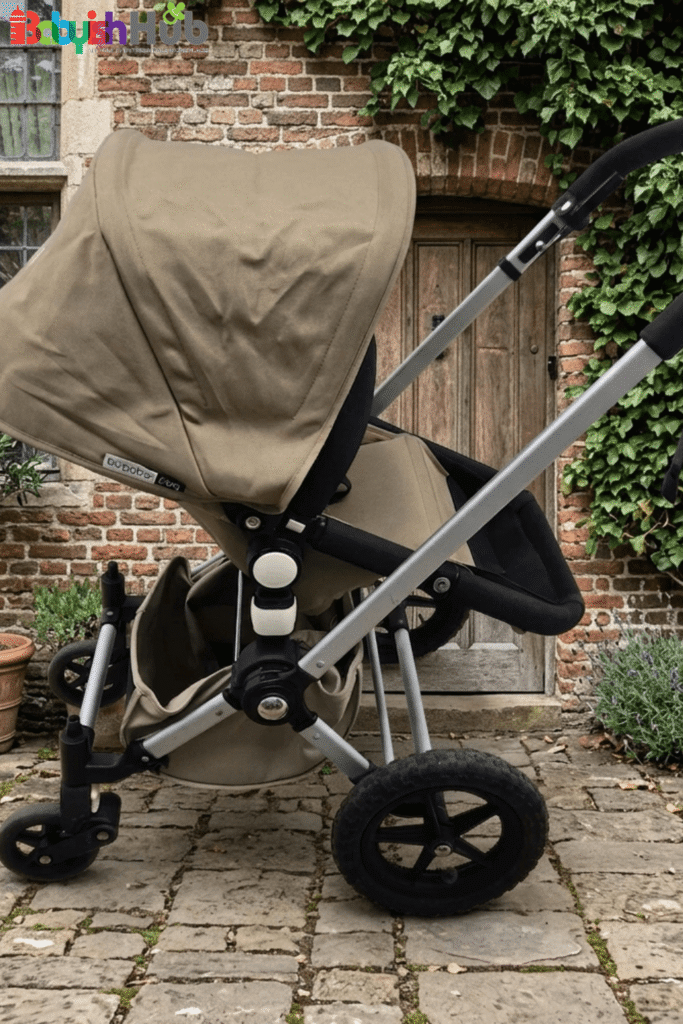
Bugaboo
Bugaboo occupies the highest end of the market, known for distinctive design, expandable single-to-double configurations, and genuinely excellent suspension. The Bugaboo Donkey and Fox lines are built to last through multiple children and years of heavy daily use. The investment is significant, which makes Bugaboo the right call, mainly for families who walk extensively and want one stroller to grow with them long-term.
GB/Summer Infant
GB and Summer Infant lead the budget and ultra-compact travel categories. Both brands prioritize lightweight frames and small folded dimensions over plush features, which makes sense given their focus. They’re a smart choice for a secondary travel stroller, though most parents find them less suited as a primary, everyday option from birth.
No single brand is the right answer when it comes to finding the best stroller for your baby. The strongest approach is matching a brand’s strengths to your specific situation: premium build and bassinet comfort from UPPAbaby, all-terrain reliability from Baby Jogger, car seat compatibility from Chicco, accessible pricing from Graco, long-term investment value from Bugaboo, or ultra-portable travel convenience from GB and Summer Infant.
Common Mistakes Parents Make When Buying A Stroller
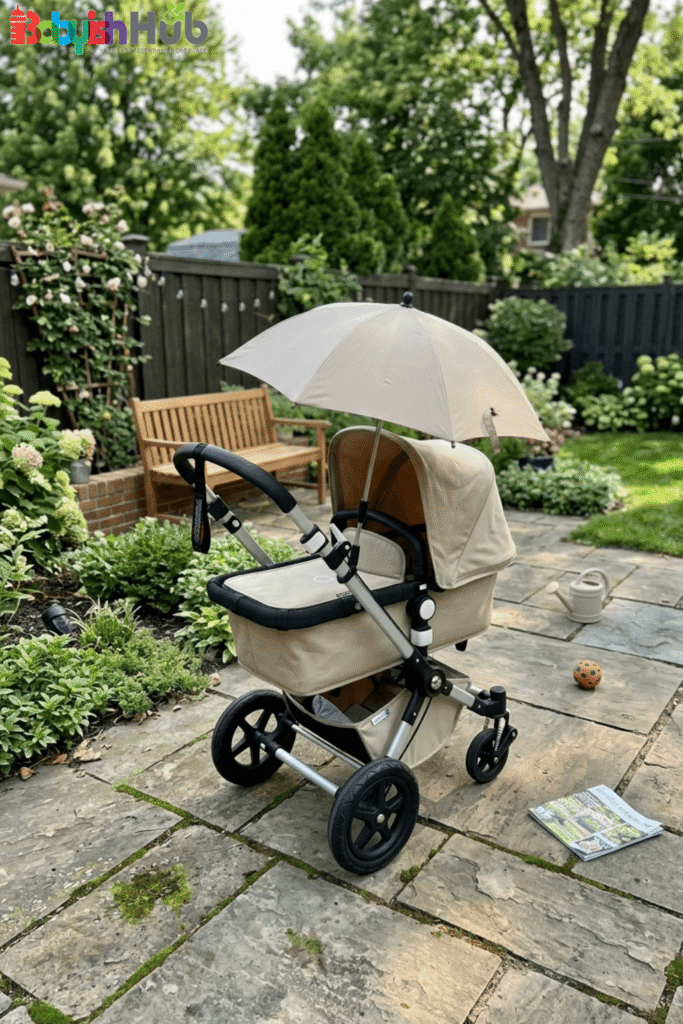
The most common mistake parents make when shopping for a baby stroller is buying based on appearance. A stroller might photograph beautifully and still be a pain to fold, push, or fit in your car. Appearance is the least important factor on a practical level.
Ignoring folded dimensions is another mistake that catches parents off guard. Measure your trunk or storage space before you buy. Some strollers look compact and still can’t close into a reasonable shape for a sedan.
Forgetting to plan for a potential second child can cost you money down the road. If there’s any chance you’ll have another baby within a couple of years, it’s worth asking whether the stroller you’re buying can accommodate a second seat or whether the brand offers a compatible double option.
Skipping a test push is also something parents often regret. If you can get to a store and push a few models, do it. The feel of a stroller in motion tells you things no spec sheet can.
RELATED: Stroller Alternatives for 5-Year-Old
Questions To Ask Yourself Before Making A Final Decision
Before you order anything, walk through this how to choose a baby stroller quiz honestly:
- Where will you use this stroller most often?
- Will you lift it into a car every day?
- Do you need it to work from birth, or will you have an infant car seat in a different frame initially?
- How much storage space do you have at home?
- Will you travel with it frequently?
- Are you planning to have more children?
- What’s your realistic budget, after accounting for accessories like rain covers and adapters?
Your answers will help you narrow your choices significantly, which makes the final decision much easier.
Quick Baby Stroller Buying Checklist:
Before you finalize your purchase for a stroller, run through this list:
✔ Fits your lifestyle and daily routine
✔ Appropriate for your baby’s current age and development
✔ Meets current safety standards, including a five-point harness and reliable brakes
✔ Folds easily and fits in your vehicle
✔ Comfortable and easy to push, including with one hand
✔ Has adequate under-seat storage
✔ Includes sufficient sun and weather protection
✔ Stays within your budget
✔ Leaves room for your family’s future needs
How To Choose A Baby Stroller FAQs:
Here are some of the most common questions parents ask when trying to find the right stroller for their little ones
What is the best stroller for first-time parents?
For most first-time parents, a versatile mid-range stroller that works from birth, folds easily, and handles everyday use without feeling like a workout to push is the practical starting point. A travel system that pairs an infant car seat with a compatible stroller frame can simplify the newborn stage considerably. That said, the best option always depends on your specific lifestyle, neighborhood, and how frequently you use a car.
Can a newborn go directly into a stroller?
It depends on the stroller. Newborns need a fully flat or near-flat recline to keep their airways open and their developing spines supported. Some full-size strollers offer this from birth. Others require a bassinet attachment or an infant car seat adapter to be safe for newborns. Always check the manufacturer’s age and weight guidelines before placing a newborn in a stroller seat.
Is an expensive stroller worth it?
Not automatically. An expensive stroller offers better value if you plan to use it intensively, have multiple children, or need specific features like a particularly smooth suspension or a flat bassinet position. If you walk your baby twice a day in every weather condition for three years, a durable mid-to-high-end stroller pays for itself. If your lifestyle involves lighter use, a well-reviewed budget or mid-range option can serve you just as well.
Should I buy a travel system or a standalone stroller?
A travel system makes the most sense if you plan to use an infant car seat and want the convenience of transferring a sleeping baby from car to stroller. It simplifies the newborn stage. A standalone stroller works better if you already have a preferred car seat brand, if you want a lighter-weight option, or if your baby is past the infant car seat stage when you’re shopping. Think about what your first six months with a baby will look like before deciding.
How long will my child use a stroller?
Most children use a stroller regularly until around age three, with lighter use continuing until age four or five during longer outings or travel. Weight capacity matters here. A stroller with a 50-pound limit will accommodate most children through age four or five, while lower limits may mean replacing or retiring the stroller earlier than expected.
What safety features should every baby stroller have?
Every stroller should include a five-point harness, reliable parking brakes that engage without slipping, a stable frame that resists tipping, and materials free from harmful chemicals. Safety certifications vary by country, but in the United States, look for ASTM compliance. A covered or protected wheel design helps prevent small fingers from getting caught. Regularly inspect the harness buckles, frame joints, and brakes for wear, especially with heavy or prolonged use.
RELATED: Baby Travel Gear Essentials: Guide for Infants & Toddlers Trips
Key Takeaways for Choosing A Baby Stroller
Knowing how to choose a baby stroller comes down to one simple thing: stop asking what’s most popular and start asking what fits your lifestyle. The right stroller makes your daily routine smoother, safer, and a little more enjoyable. It doesn’t have to be the most expensive option on the shelf. It just has to work for you, your baby, and the day-to-day world you navigate together. Trust your instincts, do the practical checks, and know that a thoughtful choice now will pay off on every single walk ahead.