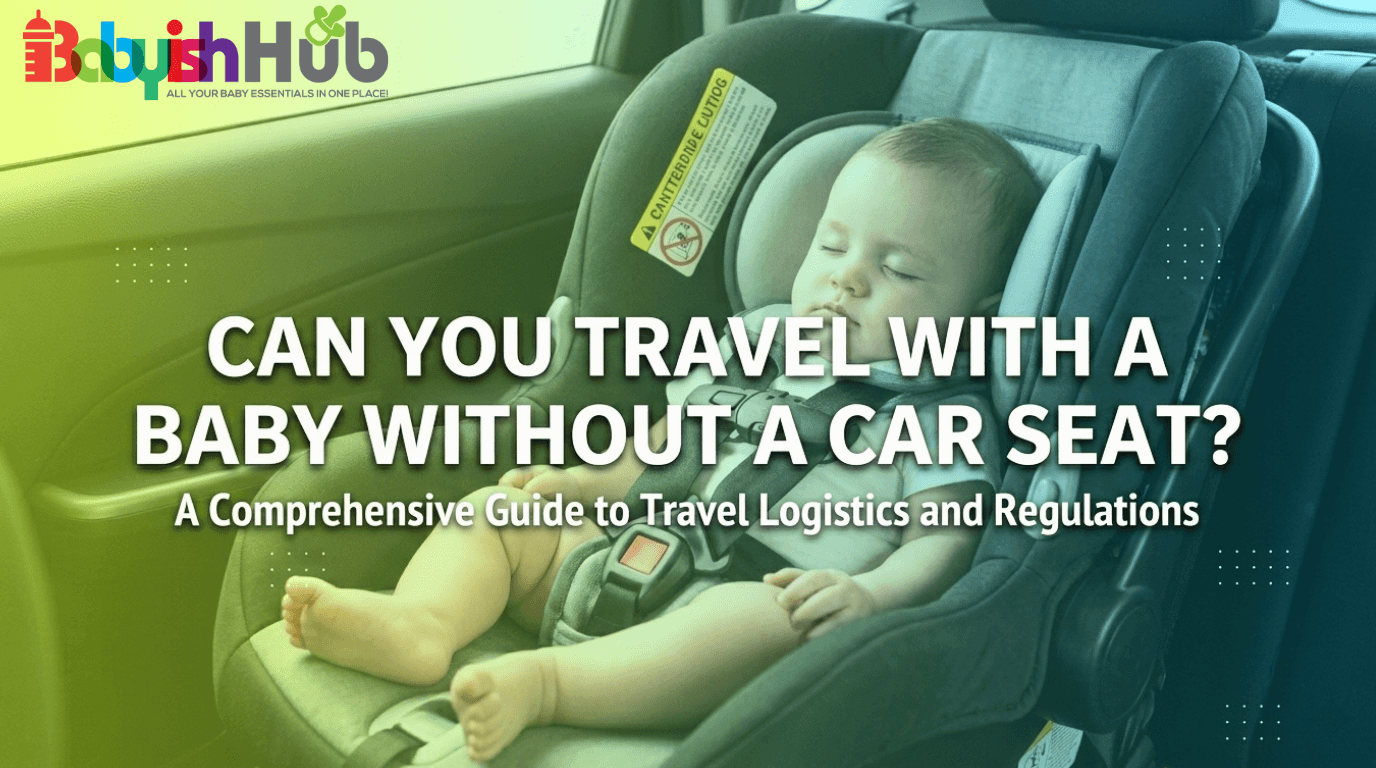
Can You Travel With A Baby Without A Car Seat? What You Need To Know
When my second baby, Rigel, was about four months old, my husband and I decided to visit my in-laws across the country. We were flying, staying for a week, and renting a car. The question that kept me up the night before we booked everything: do we haul the car seat through the airport, gate-check it, rent one, or skip it altogether? If you’ve ever asked yourself, “Can you travel with a baby without a car seat?”, you’re not alone. The answer depends heavily on how you’re traveling, and it matters more than most parents realize.
The Short Answer: It Depends on Your Mode of Travel
Car seats are legally required when your baby rides in a car, any car. This means your personal vehicle, a rental, a rideshare, a friend’s SUV, or a taxi. There is no legal exception for short trips, quick errands, or “just this once.” In every US state, infants must ride in a properly installed, rear-facing car seat. Skipping it is not just risky, it’s illegal.
However, if you’re traveling by plane, train, or bus, the rules shift. Federal law does not require a car seat on commercial flights for children under two. Airlines allow children under two to fly as lap infants for free on domestic flights.
That sounds convenient, and plenty of families do it. But the FAA and the American Academy of Pediatrics both recommend that young children travel in an approved child safety seat on planes whenever possible, because turbulence and emergencies create real risk for unrestrained infants. (Source).
Flying With A Baby: Lap Infant vs. Car Seat on The Plane
Flying as a lap infant is legal and common. It’s also, honestly, not the safest option. Sudden turbulence can send an unrestrained baby across a cabin in seconds. Most parents who fly lap infant do so because purchasing an extra seat feels expensive, especially on a family trip. That’s a real financial consideration, and only you can weigh it.
If you do choose to bring your car seat on the plane, the FAA allows it as long as the seat is FAA-approved (look for the label that reads “This restraint is certified for use in motor vehicles and aircraft”). Infant bucket seats and convertible seats often qualify. You’ll need to purchase a seat for your baby to use on the plane, but many parents find the peace of mind worth the cost.
You can also gate-check a car seat for free on most airlines, which means you bring it to the gate and they load it beneath the plane. This lets you use the seat at your destination without paying for an extra seat on the plane itself. Gate-checking does expose the seat to potential damage, so a protective travel bag helps.
Can You Travel With a Baby Without a Car Seat on a Road Trip?
No. This is the one situation where the answer is non-negotiable. If your baby is riding in a vehicle, your baby needs a rear-facing car seat. This holds whether you’re driving your own car, renting one, or catching a ride with a family member.
If you’re renting a car at your destination, most rental companies offer car seats as an add-on. The catch is that rental car seats often receive inconsistent care. You typically have no way of knowing their full history, whether they’ve been in a crash, or whether they’re properly maintained. For a short trip where you trust the seat, a rental can work. For longer stays or multiple drives, bringing your own seat or purchasing one at your destination makes more sense.
Some families keep a second car seat with grandparents or frequent hosts, which eliminates the logistics problem for recurring visits.
Train and Bus Travel With A Baby
Amtrak and most US bus services don’t require car seats on board. You can hold your baby in your lap for the duration of the trip. That said, trains and buses do experience sudden stops and rough movement, so if your baby has a seat of their own and you can secure them safely, it’s worth considering.
For shorter train or bus trips with a wiggly, alert baby, many parents find wearing the baby in a structured carrier more practical than wrestling with a car seat that isn’t secured to anything.
Traveling With Baby Without A Car Seat: What About Rideshares?
Rideshares are legally treated like any other vehicle. If you’re putting your baby in a car, your baby needs a car seat. In practice, Uber and Lyft operate differently in different cities. Some markets offer a “Uber Car Seat” option that includes a forward-facing seat for toddlers, but this is not available everywhere, and it doesn’t cover infants.
The reality is that many families take short rideshare trips with babies in arms, particularly in dense cities where the ride is five minutes. Legally and from a safety standpoint, this carries real risk.
If you travel frequently by rideshare with an infant, a lightweight, portable car seat designed for travel, like the WAYB Pico or the Doona car seat stroller, can change the equation dramatically. The Doona converts from a car seat to a stroller in seconds, which makes rideshare travel with a newborn far more manageable without extra gear to carry.
International Travel With A Baby Without A Car Seat
Car seat laws vary significantly by country. Some countries have strict requirements similar to those in the US. Others have minimal or inconsistently enforced rules. Before you travel internationally with a baby, research the specific requirements for your destination.
In some countries, taxis and rideshares commonly operate without car seats, and parents traveling with infants often hold them in their laps. Again, the legal picture changes, but the physics of a car crash do not. Weighing that risk is a personal decision every family has to make with full information.
What Parents Usually Do (Honestly)
Here’s where I’ll be straight with you… There are situations where parents travel without car seats out of practicality or necessity. Such instances include:
- A quick cab from the airport to a hotel
- A short train ride
- A taxi in a foreign city where car seats simply aren’t available
Many parents make these judgment calls, and most trips end fine.
What I’d encourage you to think about is building a travel system that removes the need for those compromises.
Investing in a travel-friendly car seat, knowing your options before the trip, and planning your ground transportation ahead of time make it much easier to keep your baby safe without heroic effort at the last minute.
Practical Tips For Traveling With A Baby And A Car Seat
One of the biggest frustrations many parents face is the sheer bulk of bringing a car seat everywhere. A few things that help in such cases:
- A lightweight, FAA-approved travel car seat cuts down on weight and bulk significantly. The Cosco Scenera Next is affordable, under ten pounds, and fits in most overhead bins. The Baby Trend Hybrid is another solid option in this category.
- If you’re flying, a rolling car seat cart or a travel system that attaches the seat to a carry-on lets you wheel it through the airport without destroying your back.
- For families who travel frequently, having a dedicated travel car seat that stays packed and ready, separate from your everyday seat, saves an enormous amount of mental load before every trip.
Final Thoughts
Traveling with a baby is already a lot. Figuring out whether you can travel with a baby without a car seat adds another layer, but the bottom line is this: in a vehicle, your baby always needs a car seat. On a plane, train, or bus, you have options, and making an informed choice protects both your baby and your peace of mind. You don’t have to figure all of this out perfectly the first time. Most of us bumbled through our first big trip with a baby and came out wiser on the other side. You’ve got this.